コツ
kotsu · こつ · the knack
I was studying for a trip to Japan and kept wanting the same thing: a page I could pull up on my phone in ten seconds, see the characters huge and clear, and just absorb them.
Not a lesson. Not a quiz with a timer. Not gamification. A wall of ink on paper — the way a calligraphy student stares at strokes until they become muscle memory.
コツ means "the knack" — that moment something clicks. You stop translating and start reading. You see 食 and think "food" before you think "shoku." That's the kotsu.
Five pillars. Hiragana, katakana, radicals, kanji, vocabulary. Tap a character and it fills your screen. Arrow through them. Mark the ones you know. On the radicals side, learn the recipe — which larger kanji each shape helps build. Come back tomorrow and do it again.
That's it. Simple by design.
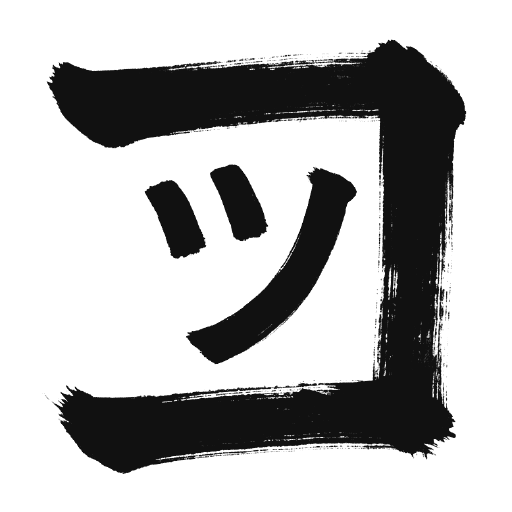
Niko · にこ
The mark above is Niko — a kanji that doesn't exist. I drew it by fusing two katakana into one brushstroke: the open-left bracket of コ (ko) cradling a ツ (tsu) nested inside. Together they spell コツ — kotsu.
Look again at the ツ. Those strokes aren't only a character — they're a face mid-grin. That's where the name comes from: にこにこ (nikoniko), the Japanese word for a warm, easy smile. The logo hides one.
Which felt right. The knack and the grin are the same moment — the one where it finally clicks and you can't help but smile.
Open source
Spot a mistake? Want to add kanji? Send a PR.
michi — the path